Cardiovascular disease rarely arrives without warning. It develops quietly through habits repeated over years, which is also the good news: ordinary choices are powerful medicine, and they start working as soon as you begin.
Move in a Way You Will Repeat
- Aim for steady daily movement such as brisk walking, cycling or swimming, and treat it as part of your routine rather than an event.
- Add strengthening work for your legs and core, because muscle supports blood sugar control and healthy blood pressure.
- Break up long sitting hours with short standing or walking breaks.
- Choose activities you enjoy, since consistency matters more than intensity.
Eat for Your Blood Vessels
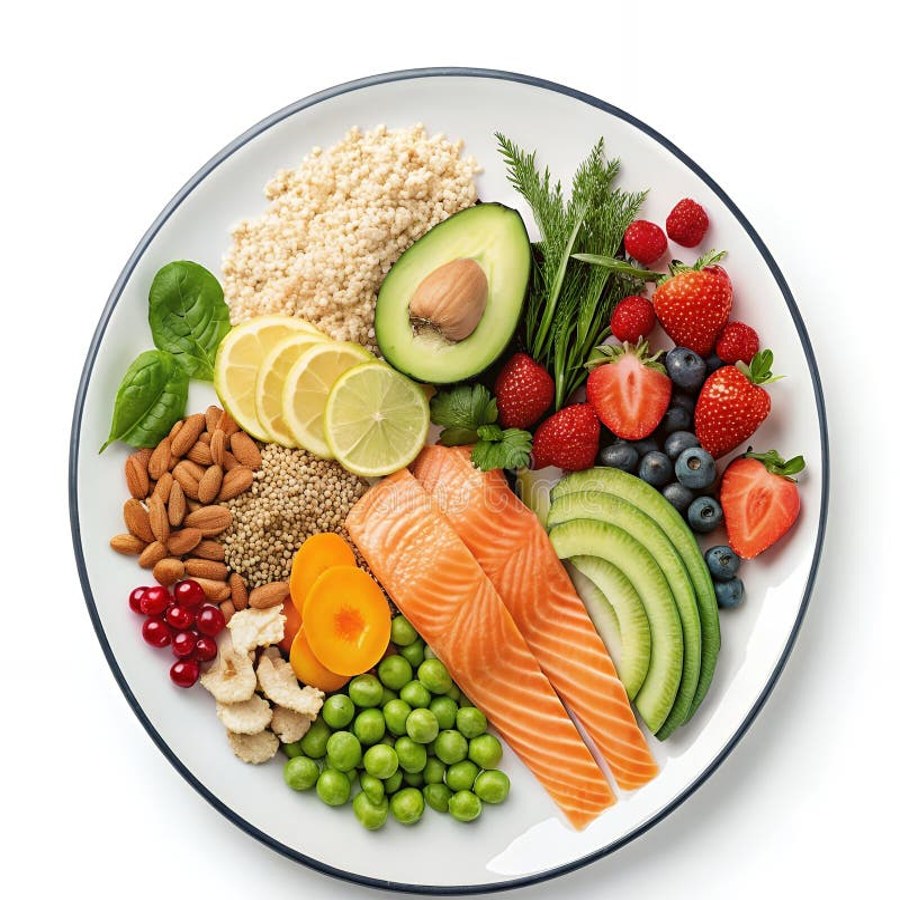
- Build meals around vegetables, fruit, beans, whole grains and nuts.
- Swap saturated fats for olive oil, nuts, seeds and oily fish.
- Keep salt moderate by cooking more at home and reading labels.
- Limit sugary drinks, which raise risk without making you feel full.
Protect Your Sleep and Stress Response
- Keep a consistent sleep and wake time, including at weekends.
- Reduce screens and caffeine close to bedtime, and keep the room cool and dark.
- Use breathing, walking or journaling to discharge stress instead of carrying it.
- Ask for help with persistent low mood, anxiety or burnout, as these affect the heart too.
Know Your Numbers and Act on Them
- Blood pressure, cholesterol, blood sugar and waist measurement tell you what habits alone cannot.
- Regular reviews catch changes early, when they are easiest to reverse.
- Take prescribed medication consistently and raise side effects with your clinician rather than stopping.
- If you notice chest pain, breathlessness or unusual fatigue, seek medical attention promptly.
Key Takeaway
You do not need a dramatic overhaul. Protect your sleep, move daily, eat mostly plants and check in with your clinician regularly, and your heart gets the support it needs.
Want advice for your own situation?
Book a consultation and our clinicians will tailor this guidance to your health, history and goals.
This article shares general health information and is not a substitute for personal medical advice. Please speak with a qualified clinician about your own circumstances.